
Do you suffer from heel pain when you get up in the morning? If so, you should seek professional help and have a proper diagnosis performed. Heel pain can be caused by several different foot-related conditions.
Do you suffer from heel pain when you get up in the morning? If so, you should seek professional help and have a proper diagnosis performed. Heel pain can be caused by several different foot-related conditions.
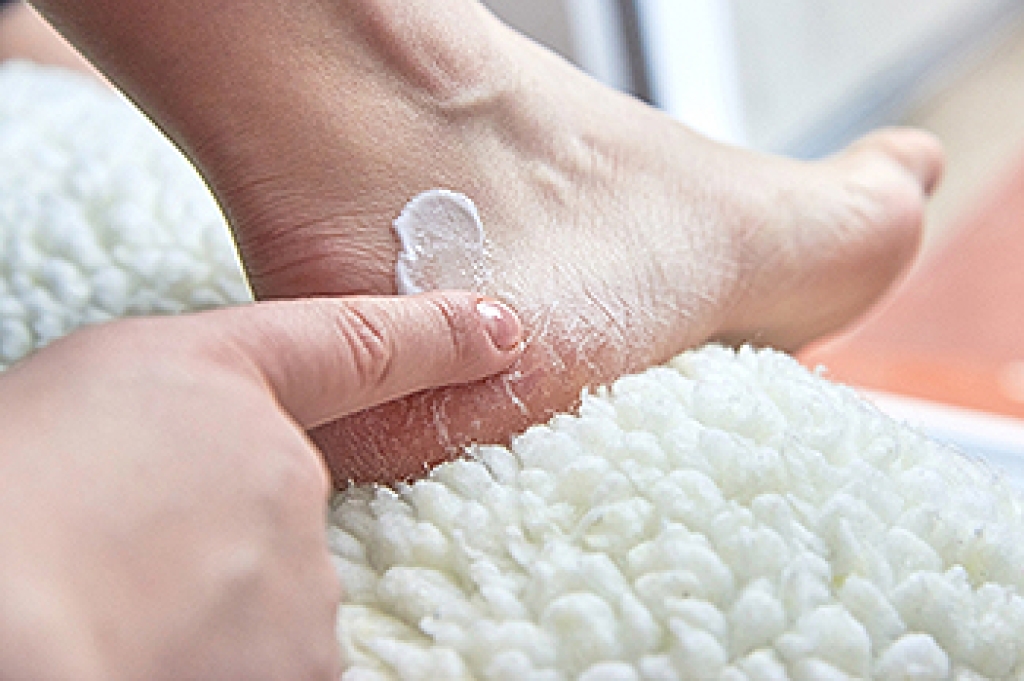
The skin on the bottom of the feet can be sensitive, despite it being able to support the weight of the body. The foot condition that is known as cracked heels can be uncomfortable, and it can happen for a variety of reasons. These can include wearing shoes that have an open back and standing on hard or uneven surfaces for most of the day. Additionally, it can occur from not drinking adequate amounts of water, or from a lack of moisturizing the feet. Some patients notice they have cracked heels from taking extremely hot baths or showers, or from using harsh soaps on their feet. Severely cracked heels may lead to developing fissures, which can bleed and become infected. It is beneficial for people who are diabetic to pay extra attention to their feet, and this may help to avoid complicated foot conditions from developing. If you have cracked heels, it is suggested that you confer with a podiatrist who can offer you treatment solutions, in addition to learning about effective prevention techniques.
Cracked heels are unsightly and can cause further damage to your shoes and feet. If you have any concerns, contact Neeta Hasmukh, DPM from Total Podiatry. Our doctor can provide the care you need to keep you pain-free and on your feet.
Cracked Heels
Cracked heels appear unappealing and can make it harder for you walk around in sandals. Aside from looking unpleasant, cracked heels can also tear stockings, socks, and wear out your shoes. There are several methods to help restore a cracked heel and prevent further damage.
How Do You Get Them?
Dry skin is the number one culprit in creating cracked heels. Many athletes, walkers, joggers, and even swimmers suffer from cracked heels. Age and skin oil production play a role to getting cracked heels as well.
Promote Healing
Over the counter medicines can help, especially for those that need instant relief or who suffer from chronic dry feet.
Wear Socks – Wearing socks with medicated creams helps lock in moisture.
Moisturizers – Applying both day and night will help alleviate dryness which causes cracking.
Pumice Stones – These exfoliate and remove dead skin, which allows for smoother moisturizer application and better absorption into the skin.
Change in Diet
Eating healthy with a well-balanced diet will give the skin a fresh and radiant look. Your body responds to the kinds of food you ingest. Omega-3 fatty acids and zinc supplements can also revitalize skin tissue.
Most importantly, seek professional help if unsure how to proceed in treating cracked heels. A podiatrist will help you with any questions or information needed.
If you have any questions, please feel free to contact our offices located in San Antonio and Uvalde, TX . We offer the newest diagnostic and treatment technologies for all your foot care needs.

Gout often announces itself with sudden, intense pain in a joint, most commonly the big toe. The affected area may become red, swollen, and warm to the touch, and even the light pressure of a sock or sheet can feel unbearable. Some individuals notice stiffness or lingering tenderness after the most severe discomfort eases. These episodes can appear without warning and may come and go over time. Because gout is linked to elevated uric acid levels, flare ups can become more frequent if the underlying issue is not addressed. Being aware of these signs allows for earlier care and helps prevent long-term joint damage. If you experience repeated bouts of sharp joint pain or swelling in your feet, it is suggested that you schedule an appointment with a podiatrist who can help you to manage this painful condition.
Gout is a painful condition that can be treated. If you are seeking treatment, contact Neeta Hasmukh, DPM from Total Podiatry. Our doctor will treat your foot and ankle needs.
What Is Gout?
Gout is a form of arthritis that is characterized by sudden, severe attacks of pain, redness, and tenderness in the joints. The condition usually affects the joint at the base of the big toe. A gout attack can occur at any random time, such as the middle of the night while you are asleep.
Symptoms
Risk Factors
Prior to visiting your podiatrist to receive treatment for gout, there are a few things you should do beforehand. If you have gout you should write down your symptoms--including when they started and how often you experience them, important medical information you may have, and any questions you may have. Writing down these three things will help your podiatrist in assessing your specific situation so that he or she may provide the best route of treatment for you.
If you have any questions, please feel free to contact our offices located in San Antonio and Uvalde, TX . We offer the newest diagnostic and treatment technologies for all your foot care needs.
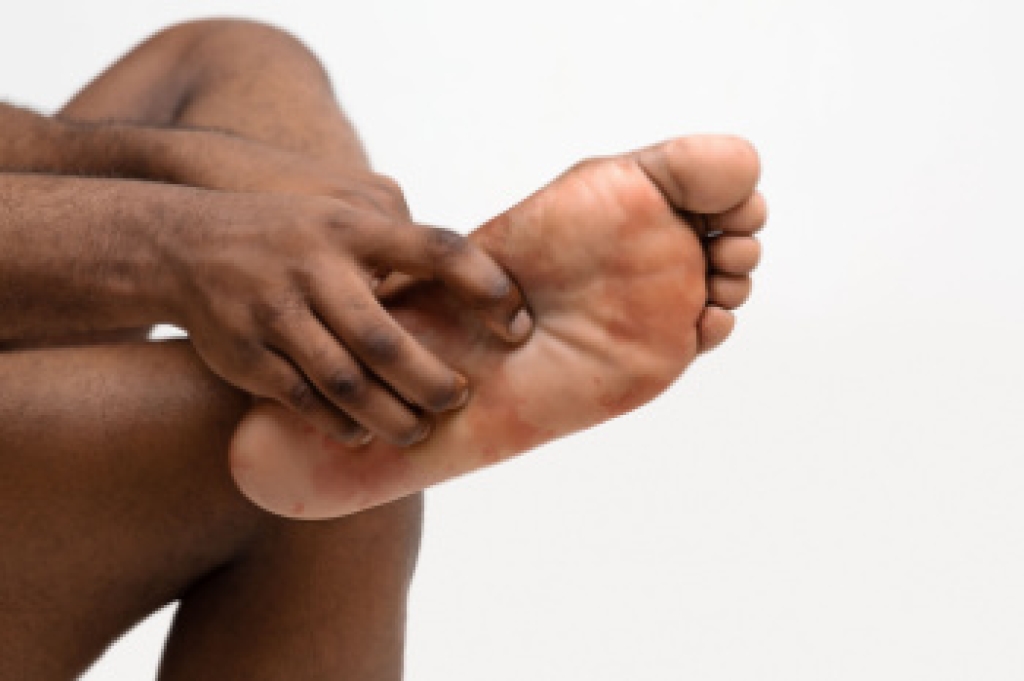
Plantar fasciitis, one of the most common causes of heel pain, can affect anyone. However, it is more frequent in runners, people who are overweight, and those who spend long hours on their feet. It occurs when the plantar fascia, a thick band of tissue that supports the arch of the foot, becomes inflamed due to overuse, poor footwear, or foot structure issues. The condition often causes sharp pain near the heel, especially with the first steps in the morning or after periods of rest. The foot may look normal but feel tender, tight, and sore when walking or standing. A podiatrist can help by diagnosing the condition through physical examination, gait analysis, and imaging if needed. Treatment options include stretching exercises, orthotic devices, supportive footwear, and other therapies to reduce pain and inflammation. It is suggested that you make an appointment with a podiatrist if heel pain is limiting your daily activities.
Plantar fasciitis is a common foot condition that is often caused by a strain injury. If you are experiencing heel pain or symptoms of plantar fasciitis, contact Neeta Hasmukh, DPM from Total Podiatry. Our doctor can provide the care you need to keep you pain-free and on your feet.
What Is Plantar Fasciitis?
Plantar fasciitis is one of the most common causes of heel pain. The plantar fascia is a ligament that connects your heel to the front of your foot. When this ligament becomes inflamed, plantar fasciitis is the result. If you have plantar fasciitis you will have a stabbing pain that usually occurs with your first steps in the morning. As the day progresses and you walk around more, this pain will start to disappear, but it will return after long periods of standing or sitting.
What Causes Plantar Fasciitis?
There are some risk factors that may make you more likely to develop plantar fasciitis compared to others. The condition most commonly affects adults between the ages of 40 and 60. It also tends to affect people who are obese because the extra pounds result in extra stress being placed on the plantar fascia.
Prevention
There are a variety of treatment options available for plantar fasciitis along with the pain that accompanies it. Additionally, physical therapy is a very important component in the treatment process. It is important that you meet with your podiatrist to determine which treatment option is best for you.
If you have any questions, please feel free to contact our offices located in San Antonio and Uvalde, TX . We offer the newest diagnostic and treatment technologies for all your foot care needs.

Athlete’s foot, medically known as tinea pedis, is a fungal infection caused by dermatophytes that thrive in warm, humid, and dark environments such as locker rooms, public showers, and damp shoes. It often spreads through shared surfaces and items like towels or footwear. Symptoms include itching, redness, peeling skin, and a burning sensation between the toes or on the soles. Prevention involves keeping feet clean and dry, wearing breathable shoes, and avoiding walking barefoot in communal areas. A podiatrist can provide effective antifungal treatments, foot care guidance, and strategies to prevent recurrence. If you have symptoms of athlete’s foot, it is suggested that you schedule an appointment with a podiatrist who can offer effective treatment solutions, which may include prescribed medication.
Athlete’s Foot
Athlete’s foot is often an uncomfortable condition to experience. Thankfully, podiatrists specialize in treating athlete’s foot and offer the best treatment options. If you have any questions about athlete’s foot, consult with Neeta Hasmukh, DPM from Total Podiatry. Our doctor will assess your condition and provide you with quality treatment.
What Is Athlete’s Foot?
Tinea pedis, more commonly known as athlete’s foot, is a non-serious and common fungal infection of the foot. Athlete’s foot is contagious and can be contracted by touching someone who has it or infected surfaces. The most common places contaminated by it are public showers, locker rooms, and swimming pools. Once contracted, it grows on feet that are left inside moist, dark, and warm shoes and socks.
Prevention
The most effective ways to prevent athlete’s foot include:
Symptoms
Athlete’s foot initially occurs as a rash between the toes. However, if left undiagnosed, it can spread to the sides and bottom of the feet, toenails, and if touched by hand, the hands themselves. Symptoms include:
Diagnosis and Treatment
Diagnosis is quick and easy. Skin samples will be taken and either viewed under a microscope or sent to a lab for testing. Sometimes, a podiatrist can diagnose it based on simply looking at it. Once confirmed, treatment options include oral and topical antifungal medications.
If you have any questions, please feel free to contact our offices located in San Antonio and Uvalde, TX . We offer the newest diagnostic and treatment technologies for all your foot care needs.
Connect With Us
