What Causes Pain in the Arch?

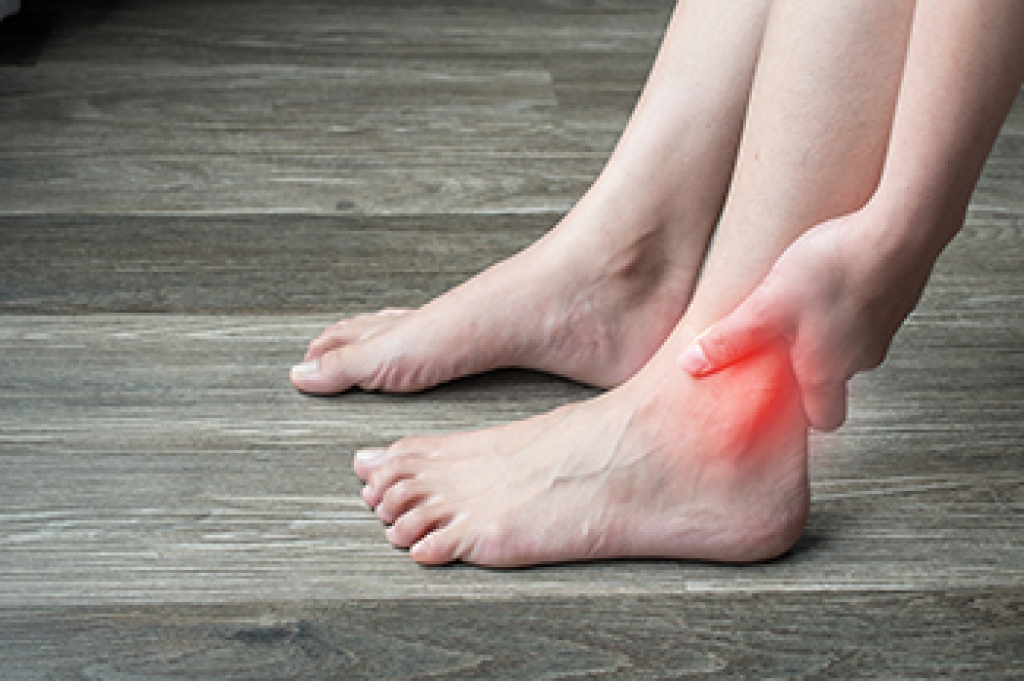
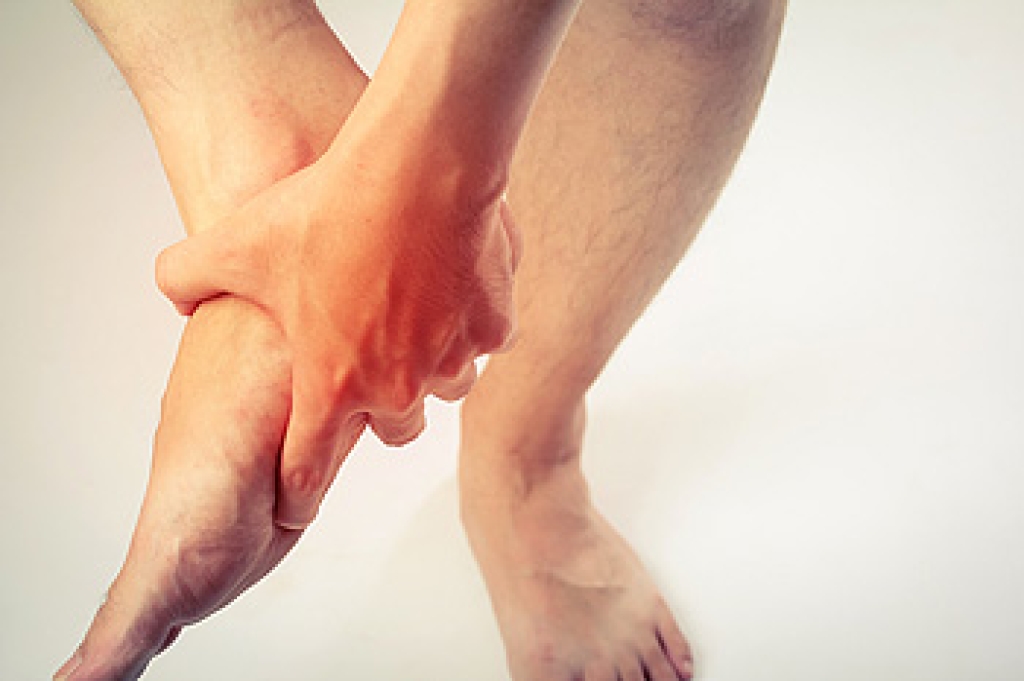
If you are experiencing pain along the inside of the arch on your foot, it may be caused by a strain of the abductor hallucis muscle. Strains can range from a mild stretch to a complete tear or rupture. Symptoms include pain and tenderness when you press the sole of the foot especially on the inside, as well as swelling and loss of function depending on the severity. The abductor hallucis muscle runs from the heel to the big toe. Its main job is to support the arch and keep it from rolling inward, also known as overpronation, with each step. A mild strain may go away after a few days with rest from the activity that caused it. Icing the affected foot may also help relieve the pain. If the symptoms continue or worsen, it is a good idea to see a podiatrist for an examination. Treatment may include anti-inflammatory medication, ultrasound therapy, or custom orthotics.

Foot Pain

Foot pain can be extremely painful and debilitating. If you have a foot pain, consult with Neeta Hasmukh, DPM from Total Podiatry. Our doctor will assess your condition and provide you with quality foot and ankle treatment.

Causes

Foot pain is a very broad condition that could be caused by one or more ailments. The most common include:

  • Bunions
  • Hammertoes
  • Plantar Fasciitis
  • Bone Spurs
  • Corns
  • Tarsal Tunnel Syndrome
  • Ingrown Toenails
  • Arthritis (such as Gout, Rheumatoid, and Osteoarthritis)
  • Flat Feet
  • Injury (from stress fractures, broken toe, foot, ankle, Achilles tendon ruptures, and sprains)
  • And more

Diagnosis

To figure out the cause of foot pain, podiatrists utilize several different methods. This can range from simple visual inspections and sensation tests to X-rays and MRI scans. Prior medical history, family medical history, and any recent physical traumatic events will all be taken into consideration for a proper diagnosis.

Treatment

Treatment depends upon the cause of the foot pain. Whether it is resting, staying off the foot, or having surgery; podiatrists have a number of treatment options available for foot pain.

If you have any questions, please feel free to contact our offices located in San Antonio, Uvalde, and Jourdanton, TX . We offer the newest diagnostic and treatment technologies for all your foot care needs.
Read more about Foot Pain

Alleviating Pain From Flat Feet

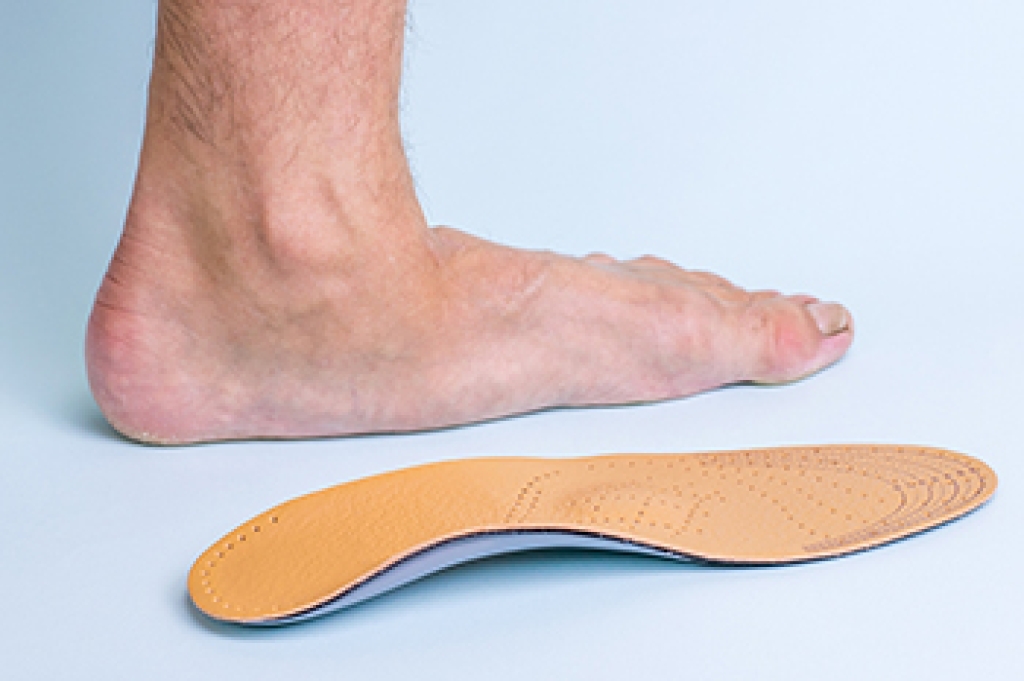
Some people are born without an arch in their foot and have flat feet. This may or may not cause problems, but if problems arise, it is usually displayed in pain – of the feet, knees, hips, and/or lower back. Strain from awkward pulling of muscles connected to the feet can throw a person’s whole body out of alignment. Without an arch in the foot, body weight is distributed unevenly. There is no cure for flat feet. Alleviating symptoms may include resting the feet, wearing well-fitting, supportive shoes, using store-bought or custom-made orthotic inserts for additional arch support, stretching exercises, medication, and cortisone injections. Seeing a podiatrist is suggested for a thorough examination of your feet and guidance as to the best treatment plan to manage flat feet.

Flatfoot is a condition many people suffer from. If you have flat feet, contact Neeta Hasmukh, DPM from Total Podiatry. Our doctor will treat your foot and ankle needs.

What Are Flat Feet?

Flatfoot is a condition in which the arch of the foot is depressed and the sole of the foot is almost completely in contact with the ground. About 20-30% of the population generally has flat feet because their arches never formed during growth.

Conditions & Problems:

Having flat feet makes it difficult to run or walk because of the stress placed on the ankles.

Alignment – The general alignment of your legs can be disrupted, because the ankles move inward which can cause major discomfort.

Knees – If you have complications with your knees, flat feet can be a contributor to arthritis in that area.  

Symptoms

  • Pain around the heel or arch area
  • Trouble standing on the tip toe
  • Swelling around the inside of the ankle
  • Flat look to one or both feet
  • Having your shoes feel uneven when worn

Treatment

If you are experiencing pain and stress on the foot you may weaken the posterior tibial tendon, which runs around the inside of the ankle. 

If you have any questions, please feel free to contact our offices located in San Antonio, Uvalde, and Jourdanton, TX . We offer the newest diagnostic and treatment technologies for all your foot care needs.

Read more about Flat Feet

Are Flip-Flops Bad for My Feet?

As summer nears, many of us want to go barefoot or wear flip-flops rather than closed-toed shoes and socks. Flip-flops are easy to grab and wear, can feel cool, and help with healing foot problems requiring less restriction of the feet. Their breathability can also help prevent foot infections. However, there are downsides to wearing flip-flops which generally involve their lack of padding and support. Flip-flops can be worn occasionally with no problem, but they do not absorb shock, can be dangerous in certain terrains, cause blisters from the Y strap rubbing against the skin, and negatively affect the biomechanics of the body because the stride is toe to heel versus the opposite usual stride. Wearing flip-flops can lead to pain in the back, hips, legs, and lower joints and cause other foot conditions like flat feet and plantar fasciitis. The obvious solution is to use care in wearing flip-flops and pay attention to what your feet may be telling you.  If you have over-worn your flip-flops and are having problems with your feet as a result, consult with a podiatrist to check for problems and obtain a treatment regimen.

Flip-flops are not always the best choice of footwear. If you have any concerns about your feet or ankles, contact Neeta Hasmukh, DPM from Total Podiatry. Our doctor will assist you with all of your foot and ankle needs.

Flip-Flops and Feet

When the weather starts warming up, people enjoy wearing flip-flops.  Flip-flops are comfortable, stylish, and easy to slip on and off; they're perfect for any summer beach goer.  However, these shoes can cause harm to the feet.

How Can Flip-Flops Affect Me Long-Term?

  • Ankle problems
  • Hip problems
  • Lower back problems
  • Pain in the balls of the feet
  • Problems with foot arches
  • Changes in the way you walk

Are There Injuries Associated with Flip-Flops?

Yes.  Since flip-flops are relatively weak and do not provide the same amount of support as sneakers, people who wear flip-flops regularly are more susceptible to injuries. On top of that, the open nature of the shoe makes your feet more prone to other problems, such as cuts and even infections.  Common injuries and ailments include:

  • Sprained ankles
  • Blisters
  • Infections
  • Cuts and Scrapes

I like Wearing Flip-Flops. Are There Safe Alternatives?

When buying flip-flops, try to find ones that have sturdy soles and that are made of high-quality materials that will support for your feet.  These flip-flops will cost more but will also last longer as a result.

If you have any questions, please feel free to contact our offices located in San Antonio, Uvalde, and Jourdanton, TX . We offer the newest diagnostic and treatment technologies for all your foot care needs.

Read more about Flip Flops and Feet

Heel Pain in the Morning?

Heel pain can negatively affect your day-to-day life. Simple activities like walking can become incredibly uncomfortable or painful due to heel pain.

Don’t live with heel pain and get treated.

Ankle Sprains Can Be Painful

A sprained ankle happens when supporting ligaments get stretched or torn a result of  tripping or falling, which can cause the ankle to twist. It is a common injury among athletes, and research has indicated that sprained ankles account for approximately 25 percent of sports related injuries. Many patients who have sprained their ankles exhibit symptoms that include pain, swelling, bruising, and difficulty walking. Ankle sprains require a proper diagnosis to be performed, which is helpful in ruling out a fracture. This is done by having an X-ray taken, and the results can determine what type of treatment is required. The majority of ankle sprains will heal within 6 to 8 weeks, and it is important to place the affected foot in a boot or brace, which can offer proper stability as the healing process takes place. Healing may be accelerated when weight is kept off of the foot, and existing swelling can be reduced when the foot is frequently elevated. If you have sprained your ankle, it is strongly suggested that you seek the counsel of a podiatrist who can offer you correct treatment solutions.

Ankle pain can have many different causes and the pain may potentially be serious. If you have ankle pain, consult with Neeta Hasmukh, DPM from Total Podiatry. Our doctor will assess your condition and provide you with quality foot and ankle treatment.

Ankle pain is any condition that causes pain in the ankle. Due to the fact that the ankle consists of tendons, muscles, bones, and ligaments, ankle pain can come from a number of different conditions.

Causes

The most common causes of ankle pain include:

  • Types of arthritis (rheumatoid, osteoarthritis, and gout)
  • Ankle sprains
  • Broken ankles
  • Achilles tendinitis
  • Achilles tendon rupture
  • Stress fractures
  • Tarsal tunnel syndrome
  • Plantar fasciitis

Symptoms

Symptoms of ankle injury vary based upon the condition. Pain may include general pain and discomfort, swelling, aching, redness, bruising, burning or stabbing sensations, and/or loss of sensation.

Diagnosis

Due to the wide variety of potential causes of ankle pain, podiatrists will utilize a number of different methods to properly diagnose ankle pain. This can include asking for personal and family medical histories and of any recent injuries. Further diagnosis may include sensation tests, a physical examination, and potentially x-rays or other imaging tests.

Treatment

Just as the range of causes varies widely, so do treatments. Some more common treatments are rest, ice packs, keeping pressure off the foot, orthotics and braces, medication for inflammation and pain, and surgery.

If you have any questions please feel free to contact our offices located in San Antonio, Uvalde, and Jourdanton, TX . We offer the newest diagnostic tools and technology to treat your foot and ankle needs.

Read more about Ankle Pain

Connect With Us

Advanced Podiatric Procedures & Services in the San Antonio, TX 78224 and Uvalde, TX 78801 areas