Complications of Gout

Gout, a form of inflammatory arthritis, can lead to several complications if not properly managed. Chronic gout can cause persistent pain and swelling in the joints, significantly affecting mobility and quality of life. Over time, the buildup of uric acid crystals in the joints can lead to tophi, which are lumpy deposits that can be felt under the skin. These tophi can become inflamed or infected, causing further discomfort and complications. Repeated gout attacks can also lead to joint damage and deformity, particularly in the big toe, feet, ankles, and knees. This damage can be debilitating, leading to reduced joint function and chronic pain. Moreover, gout is often associated with other serious health conditions, including kidney stones as a result of excess uric acid. It can also increase the risk of cardiovascular diseases and chronic kidney disease. These complications underscore the importance of making an appointment with a podiatrist. If you have developed gout, it is strongly suggested that you are under the care of this type of doctor who can offer you relief and preventive options. 

Gout is a foot condition that requires certain treatment and care. If you are seeking treatment, contact Neeta Hasmukh, DPM from Total Podiatry. Our doctor will treat your foot and ankle needs.

What Is Gout?

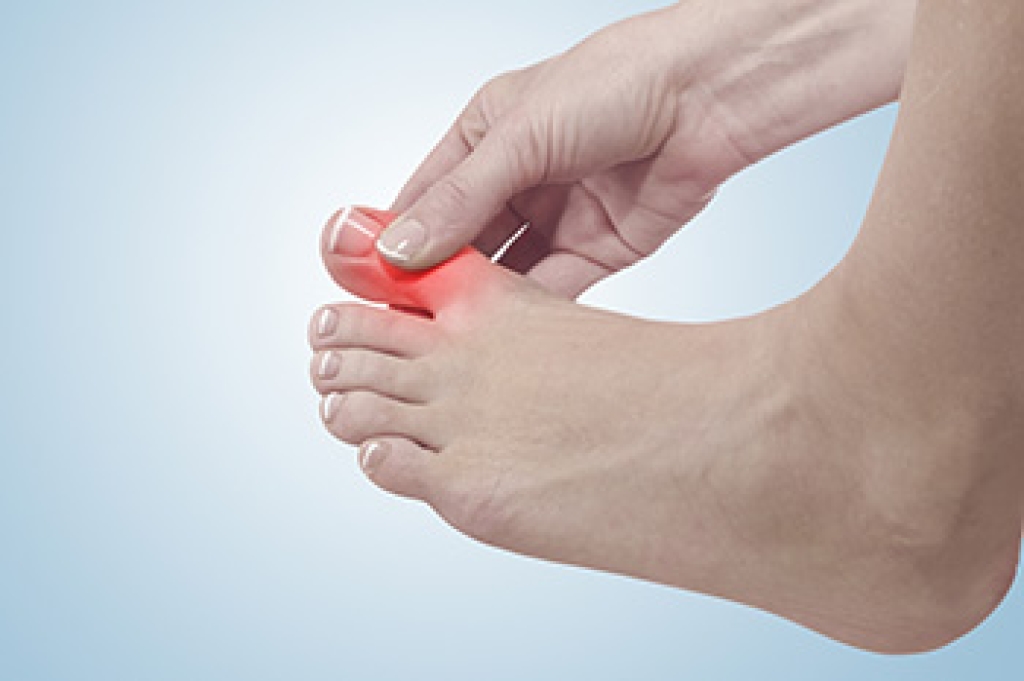
Gout is a type of arthritis caused by a buildup of uric acid in the bloodstream. It often develops in the foot, especially the big toe area, although it can manifest in other parts of the body as well. Gout can make walking and standing very painful and is especially common in diabetics and the obese.

People typically get gout because of a poor diet. Genetic predisposition is also a factor. The children of parents who have had gout frequently have a chance of developing it themselves.

Gout can easily be identified by redness and inflammation of the big toe and the surrounding areas of the foot. Other symptoms include extreme fatigue, joint pain, and running high fevers. Sometimes corticosteroid drugs can be prescribed to treat gout, but the best way to combat this disease is to get more exercise and eat a better diet.

If you have any questions, please feel free to contact our offices located in San Antonio and Uvalde, TX . We offer the newest diagnostic and treatment technologies for all your foot care needs.
Read more about Gout

Common Symptoms of Morton's Neuroma

Morton's neuroma, a nerve condition that affects the ball of the foot, can bring about discomfort and pain. Its symptoms are often distinctive and can be recognized with attention to detail. Individuals with Morton's neuroma may experience a sharp, burning, or tingling pain that radiates from the ball of the foot, typically between the third and fourth toes. This discomfort often feels as if there is a small pebble or an object inside the shoe, causing an irritation. It tends to worsen with weight-bearing activities, such as walking or standing and may improve with rest. Wearing tight, constrictive footwear can exacerbate the symptoms, making shoe choices essential for managing the condition. Additionally, some individuals may feel numbness in the affected toes, contributing to a sense of discomfort and imbalance. Swelling or a palpable mass at the base of the toes is occasionally noticed. Early recognition of these common symptoms is essential for timely diagnosis and appropriate treatment of Morton's neuroma, helping individuals find relief from their foot discomfort. If you have pain in this part of your foot, it is strongly suggested that you schedule an appointment with a podiatrist. This type of doctor can accurately diagnose and treat Morton’s neuroma.

Morton’s neuroma is a very uncomfortable condition to live with. If you think you have Morton’s neuroma, contact Neeta Hasmukh, DPM of Total Podiatry. Our doctor will attend to all of your foot care needs and answer any of your related questions.  

Morton’s Neuroma

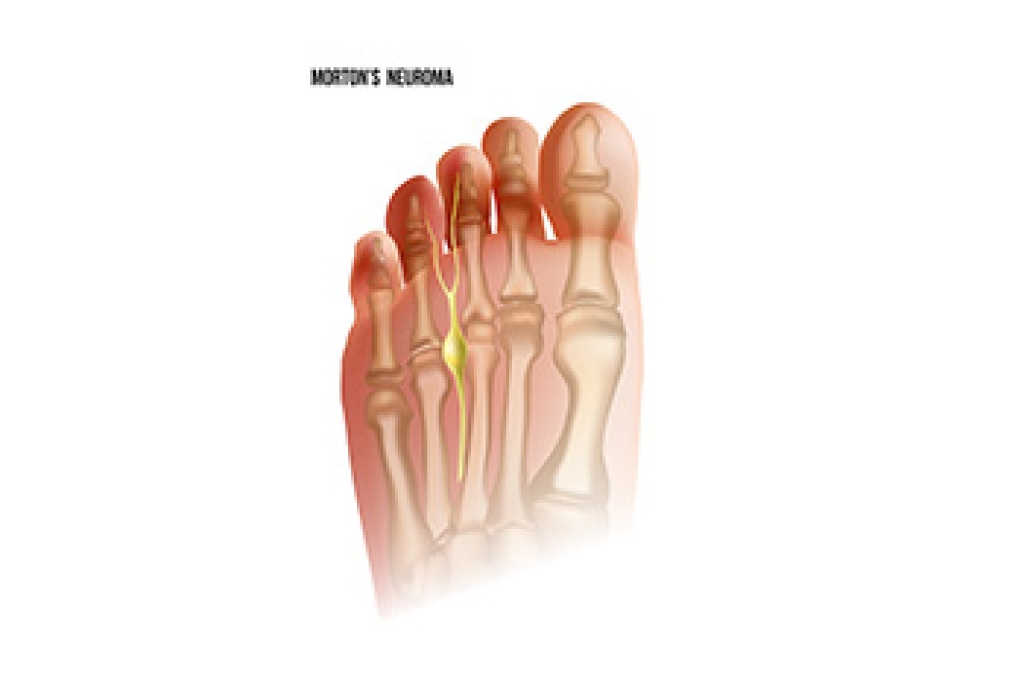
Morton's neuroma is a painful foot condition that commonly affects the areas between the second and third or third and fourth toe, although other areas of the foot are also susceptible. Morton’s neuroma is caused by an inflamed nerve in the foot that is being squeezed and aggravated by surrounding bones.

What Increases the Chances of Having Morton’s Neuroma?

  • Ill-fitting high heels or shoes that add pressure to the toe or foot
  • Jogging, running or any sport that involves constant impact to the foot
  • Flat feet, bunions, and any other foot deformities

Morton’s neuroma is a very treatable condition. Orthotics and shoe inserts can often be used to alleviate the pain on the forefront of the feet. In more severe cases, corticosteroids can also be prescribed. In order to figure out the best treatment for your neuroma, it’s recommended to seek the care of a podiatrist who can diagnose your condition and provide different treatment options.

If you have any questions, please feel free to contact our offices located in San Antonio and Uvalde, TX . We offer the newest diagnostic and treatment technologies for all your foot care needs.

Read more about Morton's Neuroma

An Achilles Tendon Rupture Can Be a Debilitating Injury

An Achilles tendon rupture is a severe and painful injury that affects the Achilles tendon, which is the largest and strongest tendon in the human body. Located at the back of the ankle, this vital band of connective tissue plays a pivotal role in facilitating walking, running, and jumping. When it tears, it can lead to excruciating pain, a loud popping sensation, and the inability to bear weight on the affected leg. The injury often occurs during sports or physical activities that involve sudden, forceful movements. An Achilles tendon rupture is more common among individuals aged 30 to 40, particularly men. It is beneficial to seek immediate medical attention from a podiatrist who can properly diagnose and treat this painful condition. 

Achilles tendon injuries need immediate attention to avoid future complications. If you have any concerns, contact Neeta Hasmukh, DPM of Total Podiatry. Our doctor can provide the care you need to keep you pain-free and on your feet.

What Is the Achilles Tendon?

The Achilles tendon is a tendon that connects the lower leg muscles and calf to the heel of the foot. It is the strongest tendon in the human body and is essential for making movement possible. Because this tendon is such an integral part of the body, any injuries to it can create immense difficulties and should immediately be presented to a doctor.

What Are the Symptoms of an Achilles Tendon Injury?

There are various types of injuries that can affect the Achilles tendon. The two most common injuries are Achilles tendinitis and ruptures of the tendon.

Achilles Tendinitis Symptoms

  • Inflammation
  • Dull to severe pain
  • Increased blood flow to the tendon
  • Thickening of the tendon

Rupture Symptoms

  • Extreme pain and swelling in the foot
  • Total immobility

Treatment and Prevention

Achilles tendon injuries are diagnosed by a thorough physical evaluation, which can include an MRI. Treatment involves rest, physical therapy, and in some cases, surgery. However, various preventative measures can be taken to avoid these injuries, such as:

  • Thorough stretching of the tendon before and after exercise
  • Strengthening exercises like calf raises, squats, leg curls, leg extensions, leg raises, lunges, and leg presses

If you have any questions please feel free to contact our offices located in San Antonio and Uvalde, TX . We offer the newest diagnostic tools and technology to treat your foot and ankle needs.

Read more about The Causes, Types, and Treatments of Achilles Tendon Injuries

Let the Expert Treat Your Ingrown Toenails

Ingrown toenails can be painful and can make wearing shoes or walking uncomfortable. Seek professional help if you believe you've developed an ingrown toenail and be treated safely. 

Why the Shape of Your Feet Matters

Your feet are the foundation of your body, and when the shape of your foot is compromised, it can have far-reaching consequences. Wearing Ill-fitting shoes can worsen conditions such as bunions, hammertoes, and plantar fasciitis. They also may lead to biomechanical adjustments that can cause back and joint pain, balance problems, postural issues, and leg discomfort. Foot arches are of three main types, which are high, neutral, and flat. High arches are overly pronounced, causing pressure on the heel and forefoot, while flat feet may restrict mobility and lead to other health problems. In addition, pronation and supination, which refers to the side to side movement of the foot when you stand, walk or run, are factors that need to be considered when buying shoes. Supination involves the foot rolling outward, often affecting those with high arches, and potentially leading to lower leg discomfort like plantar fasciitis. Overpronation occurs when the foot rolls excessively inward, common in people with flat feet, and this can cause discomfort as well as alignment issues throughout the body. For help with issues involving the shape of your feet, it is suggested that you make an appointment with a podiatrist for an evaluation.

If you have any concerns about your feet, contact Neeta Hasmukh, DPM from Total Podiatry. Our doctor can provide the care you need to keep you pain-free and on your feet.

Biomechanics in Podiatry

Podiatric biomechanics is a particular sector of specialty podiatry with licensed practitioners who are trained to diagnose and treat conditions affecting the foot, ankle and lower leg. Biomechanics deals with the forces that act against the body, causing an interference with the biological structures. It focuses on the movement of the ankle, the foot and the forces that interact with them.

A History of Biomechanics

  • Biomechanics dates back to the BC era in Egypt where evidence of professional foot care has been recorded.
  • In 1974, biomechanics gained a higher profile from the studies of Merton Root, who claimed that by changing or controlling the forces between the ankle and the foot, corrections or conditions could be implemented to gain strength and coordination in the area.

Modern technological improvements are based on past theories and therapeutic processes that provide a better understanding of podiatric concepts for biomechanics. Computers can provide accurate information about the forces and patterns of the feet and lower legs.

Understanding biomechanics of the feet can help improve and eliminate pain, stopping further stress to the foot.

If you have any questions please feel free to contact our offices located in San Antonio and Uvalde, TX . We offer the newest diagnostic and treatment technologies for all your foot and ankle needs.

Read more about The Importance of Biomechanics in Podiatry

Connect With Us

Advanced Podiatric Procedures & Services in the San Antonio, TX 78224 and Uvalde, TX 78801 areas