
Heel pain can negatively affect your day-to-day life. Simple activities like walking can become incredibly uncomfortable or painful due to heel pain.
Don’t live with heel pain and get treated.
Heel pain can negatively affect your day-to-day life. Simple activities like walking can become incredibly uncomfortable or painful due to heel pain.
Don’t live with heel pain and get treated.

A sprained ankle happens when supporting ligaments get stretched or torn a result of tripping or falling, which can cause the ankle to twist. It is a common injury among athletes, and research has indicated that sprained ankles account for approximately 25 percent of sports related injuries. Many patients who have sprained their ankles exhibit symptoms that include pain, swelling, bruising, and difficulty walking. Ankle sprains require a proper diagnosis to be performed, which is helpful in ruling out a fracture. This is done by having an X-ray taken, and the results can determine what type of treatment is required. The majority of ankle sprains will heal within 6 to 8 weeks, and it is important to place the affected foot in a boot or brace, which can offer proper stability as the healing process takes place. Healing may be accelerated when weight is kept off of the foot, and existing swelling can be reduced when the foot is frequently elevated. If you have sprained your ankle, it is strongly suggested that you seek the counsel of a podiatrist who can offer you correct treatment solutions.
Ankle pain can have many different causes and the pain may potentially be serious. If you have ankle pain, consult with Neeta Hasmukh, DPM from Total Podiatry. Our doctor will assess your condition and provide you with quality foot and ankle treatment.
Ankle pain is any condition that causes pain in the ankle. Due to the fact that the ankle consists of tendons, muscles, bones, and ligaments, ankle pain can come from a number of different conditions.
Causes
The most common causes of ankle pain include:
Symptoms
Symptoms of ankle injury vary based upon the condition. Pain may include general pain and discomfort, swelling, aching, redness, bruising, burning or stabbing sensations, and/or loss of sensation.
Diagnosis
Due to the wide variety of potential causes of ankle pain, podiatrists will utilize a number of different methods to properly diagnose ankle pain. This can include asking for personal and family medical histories and of any recent injuries. Further diagnosis may include sensation tests, a physical examination, and potentially x-rays or other imaging tests.
Treatment
Just as the range of causes varies widely, so do treatments. Some more common treatments are rest, ice packs, keeping pressure off the foot, orthotics and braces, medication for inflammation and pain, and surgery.
If you have any questions please feel free to contact our offices located in San Antonio, Uvalde, and Jourdanton, TX . We offer the newest diagnostic tools and technology to treat your foot and ankle needs.
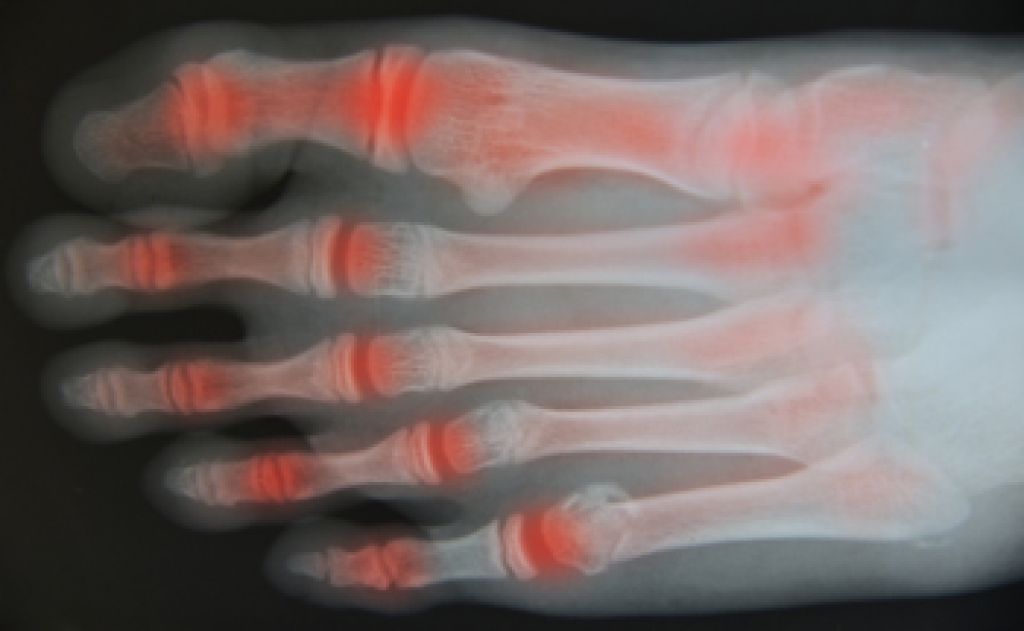
Many people suffer from the pain of arthritis, of which there are about 100 varieties. A podiatrist can help you figure out which form of this disease you have through a number of tests. The most common types are osteoarthritis, which is a wearing away of the cartilage between the bones; rheumatoid arthritis, a long-term condition that causes pain, swelling and deformity in the joints; and gout, caused by a buildup of uric acid that results in redness, swelling, and pain affecting the big toe and other joints. Among the ways you can live with arthritis are diet, exercise and pain management. It has been found that eating a Mediterranean style diet (fish, nuts, olive oil, vegetables and fruit) can help reduce the effects of arthritis. It is also suggested that you avoid red meat, poultry and full-fat dairy products, and try to include calcium rich foods to ward off osteoporosis (thinning of the bones). A regular program of exercise is suggested to help keep your weight down and reduce joint stiffness. A number of medications are available to alleviate the pain caused by arthritis. In addition, using heat or ice treatments as needed throughout the day and avoiding activities that increase your pain is suggested. Changing the way you operate with appropriate walking aids, raised toilet seats, and safely navigating in your home can be helpful. If you need more information on how to manage arthritis, please consult with a podiatrist for an examination and treatment options.
Arthritis can be a difficult condition to live with. If you are seeking treatment, contact Neeta Hasmukh, DPM from Total Podiatry. Our doctor can provide the care you need to keep you pain-free and on your feet.
Arthritic Foot Care
Arthritis is a joint disorder that involves the inflammation of different joints in your body, such as those in your feet. Arthritis is often caused by a degenerative joint disease and causes mild to severe pain in all affected areas. In addition to this, swelling and stiffness in the affected joints can also be a common symptom of arthritis.
In many cases, wearing ill-fitting shoes can worsen the effects and pain of arthritis. Wearing shoes that have a lower heel and extra room can help your feet feel more comfortable. In cases of rheumatoid arthritis, the arch in your foot may become problematic. Buying shoes with proper arch support that contour to your feet can help immensely.
Alleviating Arthritic Pain
It is best to see your doctor for the treatment that is right for your needs and symptoms. Conditions vary, and a podiatrist can help you determine the right method of care for your feet.
If you have any questions please feel free to contact our offices located in San Antonio, Uvalde, and Jourdanton, TX . We offer the newest diagnostic tools and technology to treat your foot and ankle needs.

While complications of diabetes, such as poor circulation and neuropathy, can make a wound easier to develop and harder to detect and heal, there are many preventative measures you and your podiatrist can take to reduce your risk of amputation. On your end, make foot care a priority. Wear shoes and socks that fit well and don’t rub against any part of your feet or cut off circulation. Avoid walking barefoot. Elevate your feet and wiggle your toes frequently to keep the blood flowing. Eat a balanced diet and exercise to help manage your sugar levels and maintain a healthy body weight. Don’t smoke. Inspect your feet twice a day, using a mirror if needed, to see the bottom of your feet. Get to your podiatrist right away if you spot anything unusual. Early recognition/treatment of a problem can greatly reduce your risk of amputation. Some wounds may be avoided by getting regular foot screenings and having a podiatrist trim your toenails and treat any corns or calluses. They may also prescribe diabetic shoes and create custom orthotics to prevent foot injuries. If a wound does develop, your podiatrist can dress your wound appropriately, remove dead skin and tissue (debridement), reduce pressure and friction on the wound, and help restore adequate blood flow. They can also advise you on how to properly care for your wound at home. In cases where a higher level of wound care is necessary, your podiatrist may be able to use skin or bone grafts, or perform reconstructive surgery to replace or rebuild infected or necrotic bones, tendons and tissue.
Limb salvage can be an effective way in preventing the need for limb amputation. If you have diabetes, cancer, or any other condition that could lead to foot amputation if left unchecked, consult with Neeta Hasmukh, DPM from Total Podiatry. Our doctor will assess your condition and provide you with quality foot and ankle treatment.
What Is Limb Salvage?
Limb salvage is the attempt of saving a limb, such as the foot from amputation. Podiatrists also try to make sure that there is enough function in the foot after the salvage that it is still usable. Diabetes is the number one cause of non-traumatic amputations in the United States. Those with diabetes experience poor blood circulation, which prevents proper healing of an ulcer. If the ulcer is left uncheck, it could become infected, which could result in the need for amputation.
However, there are other causes as well, such as cancer and traumatic injury. Links between higher mortality rates and amputation have been found. This translates into higher healthcare costs, and a reduced quality of life and mobility for amputees. Podiatrists have attempted to increase the prevalence of limb salvage in an attempt to solve these issues.
Diagnosis and Treatment
Limb salvage teams have grown in recent years that utilize a number of different treatments to save the infected limb. This includes podiatrists that specialize in wound care, rehabilitation, orthotics, and surgery. Through a combination of these methods, limb salvage has been found to be an effective treatment for infected limbs, and as an alternative to amputation. Podiatrists will first evaluate the potential for limb salvage and determine if the limb can be saved or must be amputated.
If you have any questions, please feel free to contact our offices located in San Antonio, Uvalde, and Jourdanton, TX . We offer the newest diagnostic and treatment technologies for all your foot care needs.
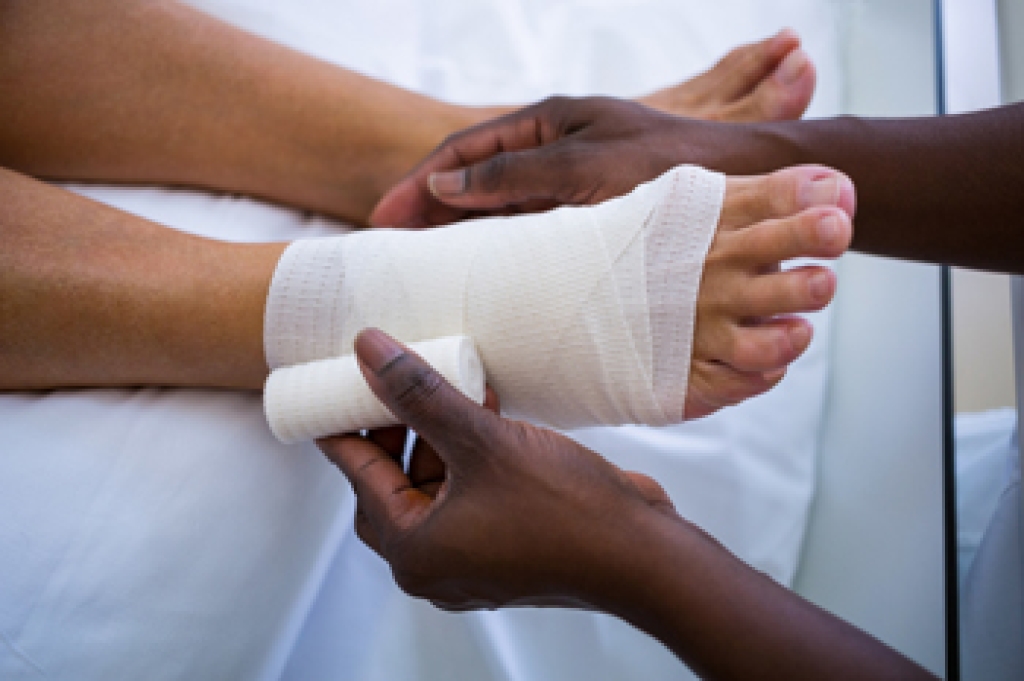
When body tissue is exposed to the environment, it is known as an open wound. Proper wound care is needed if there is bleeding, or if you have developed a broken bone. A closed wound occurs when there is bleeding under the surface of the skin and is referred to as a bruise. A break in the skin that comes from a fall or surgery is an open wound and requires immediate medical attention. The first step would be to stop the bleeding, followed by cleaning the wound. If the wound is severe antibiotics may be needed, and the wound can be dressed. It is important to change the dressing routinely, and this helps check if an infection has developed. Many diabetic patients are prone to developing wounds on the feet, and proper treatment must be provided. If you have a wound on your foot, it is suggested that you consult with a podiatrist who can offer you the best remedy for wound care on the feet.
Wound care is an important part in dealing with diabetes. If you have diabetes and a foot wound or would like more information about wound care for diabetics, consult with Neeta Hasmukh, DPM from Total Podiatry. Our doctor will assess your condition and provide you with quality foot and ankle treatment.
What Is Wound Care?
Wound care is the practice of taking proper care of a wound. This can range from the smallest to the largest of wounds. While everyone can benefit from proper wound care, it is much more important for diabetics. Diabetics often suffer from poor blood circulation which causes wounds to heal much slower than they would in a non-diabetic.
What Is the Importance of Wound Care?
While it may not seem apparent with small ulcers on the foot, for diabetics, any size ulcer can become infected. Diabetics often also suffer from neuropathy, or nerve loss. This means they might not even feel when they have an ulcer on their foot. If the wound becomes severely infected, amputation may be necessary. Therefore, it is of the upmost importance to properly care for any and all foot wounds.
How to Care for Wounds
The best way to care for foot wounds is to prevent them. For diabetics, this means daily inspections of the feet for any signs of abnormalities or ulcers. It is also recommended to see a podiatrist several times a year for a foot inspection. If you do have an ulcer, run the wound under water to clear dirt from the wound; then apply antibiotic ointment to the wound and cover with a bandage. Bandages should be changed daily and keeping pressure off the wound is smart. It is advised to see a podiatrist, who can keep an eye on it.
If you have any questions please contact our offices located in San Antonio, Uvalde, and Jourdanton, TX . We offer the newest diagnostic and treatment technologies for all your foot and ankle needs.
Connect With Us
