
Have you noticed a bony protrusion on the side of your big toe? If so, you may have developed the foot condition known as a bunion. Don't let bunions interfere with your daily activities.
Have you noticed a bony protrusion on the side of your big toe? If so, you may have developed the foot condition known as a bunion. Don't let bunions interfere with your daily activities.

Ankle sprains are one of the most common injuries in athletes, caused by overstretching or tearing the ligaments that stabilize the joint. They often occur during sudden movements like jumping, pivoting, or uneven landings. Each sprain is unique, ranging from mild to severe, depending on the extent of ligament damage. Symptoms include pain, swelling, bruising, and difficulty bearing weight. Immediate care involves rest, which helps reduce swelling and pain. However, more severe sprains may require medical attention and targeted stretching to ensure proper healing and avoid long-term instability. Prevention strategies include strengthening exercises, ankle taping, wearing supportive footwear, and avoiding risky movements. If you have persistent pain or repeated ankle sprains, it is suggested that you schedule an appointment with a podiatrist to develop a treatment plan and ensure a safe return to sports.
Sports related foot and ankle injuries require proper treatment before players can go back to their regular routines. For more information, contact Neeta Hasmukh, DPM of Total Podiatry. Our doctor can provide the care you need to keep you pain-free and on your feet.
Sports Related Foot and Ankle Injuries
Foot and ankle injuries are a common occurrence when it comes to athletes of any sport. While many athletes dismiss the initial aches and pains, the truth is that ignoring potential foot and ankle injuries can lead to serious problems. As athletes continue to place pressure and strain the area further, a mild injury can turn into something as serious as a rupture and may lead to a permanent disability. There are many factors that contribute to sports related foot and ankle injuries, which include failure to warm up properly, not providing support or wearing bad footwear. Common injuries and conditions athletes face, including:
Sports related injuries are commonly treated using the RICE method. This includes rest, applying ice to the injured area, compression and elevating the ankle. More serious sprains and injuries may require surgery, which could include arthroscopic and reconstructive surgery. Rehabilitation and therapy may also be required in order to get any recovering athlete to become fully functional again. Any unusual aches and pains an athlete sustains must be evaluated by a licensed, reputable medical professional.
If you have any questions please contact our offices located in San Antonio, Uvalde, and Jourdanton, TX . We offer the newest diagnostic and treatment technologies for all your foot and ankle needs.

Plantar fasciitis affects the band of tissue that runs along the bottom of the foot, connecting the heel bone to the toes. This is known as the plantar fascia, and can become strained and inflamed due to repetitive stress and is a leading cause of heel pain. People with plantar fasciitis frequently experience discomfort along the sole of the foot and heel, especially during the first steps in the morning or after prolonged sitting. This pain may worsen with activities like climbing stairs or standing for long periods. A podiatrist can examine your feet, assess your gait, and identify specific pain points. This foot doctor may use diagnostic tools to confirm plantar fasciitis and recommend stretches to improve flexibility in the plantar fascia and calves. Customized orthotics and supportive footwear may be prescribed to reduce strain and enhance mobility. If you have foot or heel pain linked to plantar fasciitis, it is suggested that you schedule an appointment with a podiatrist for a diagnosis and treatment.
Plantar fasciitis is a common foot condition that is often caused by a strain injury. If you are experiencing heel pain or symptoms of plantar fasciitis, contact Neeta Hasmukh, DPM from Total Podiatry. Our doctor can provide the care you need to keep you pain-free and on your feet.
What Is Plantar Fasciitis?
Plantar fasciitis is one of the most common causes of heel pain. The plantar fascia is a ligament that connects your heel to the front of your foot. When this ligament becomes inflamed, plantar fasciitis is the result. If you have plantar fasciitis you will have a stabbing pain that usually occurs with your first steps in the morning. As the day progresses and you walk around more, this pain will start to disappear, but it will return after long periods of standing or sitting.
What Causes Plantar Fasciitis?
There are some risk factors that may make you more likely to develop plantar fasciitis compared to others. The condition most commonly affects adults between the ages of 40 and 60. It also tends to affect people who are obese because the extra pounds result in extra stress being placed on the plantar fascia.
Prevention
There are a variety of treatment options available for plantar fasciitis along with the pain that accompanies it. Additionally, physical therapy is a very important component in the treatment process. It is important that you meet with your podiatrist to determine which treatment option is best for you.
If you have any questions, please feel free to contact our offices located in San Antonio, Uvalde, and Jourdanton, TX . We offer the newest diagnostic and treatment technologies for all your foot care needs.
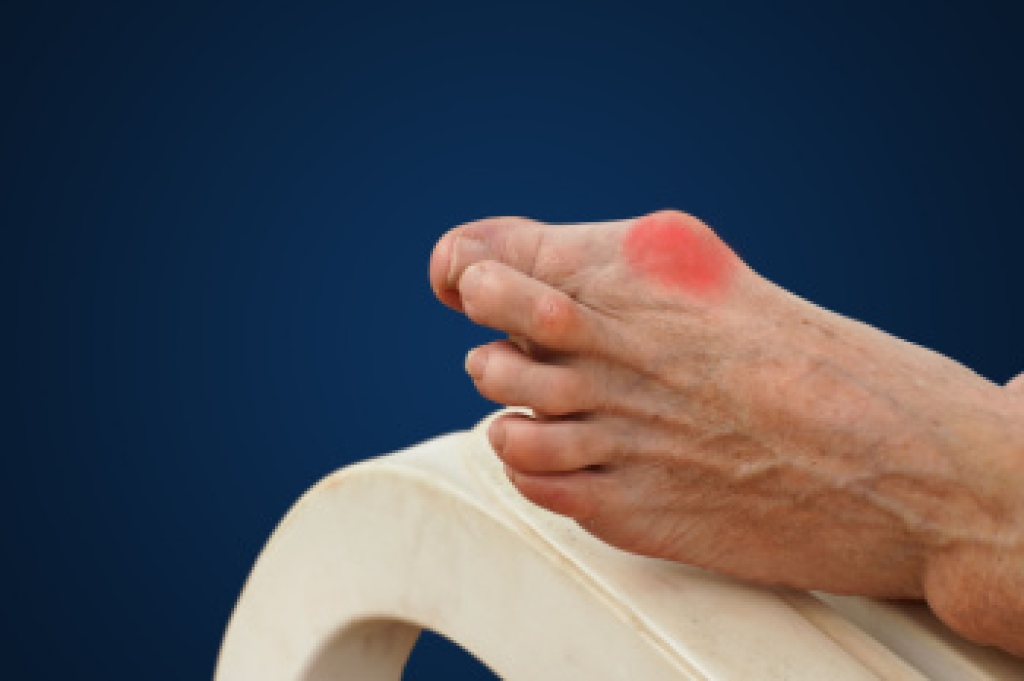
Bunions are bony bumps that form at the base of the big toe causing it to lean toward the other toes. They often look unsightly and can be painful, especially when wearing tight or narrow shoes. Bunions develop over time due to factors like genetics, foot structure, arthritis, or wearing ill-fitting footwear. While some people experience no pain, others may suffer from redness, swelling, and discomfort, particularly after prolonged walking or standing. Bunions are more common in women, likely due to shoe choices, and in those with a family history of the condition. Unfortunately, bunions do not go away on their own. They may worsen without intervention. Treatment includes wearing wider shoes, using orthotics, or padding the bunion to reduce friction. For severe cases, surgery may be necessary. If you have a painful bunion, it is suggested that you visit a podiatrist who can assess your bunions and recommend the best treatment plan.
If you are suffering from bunion pain, contact Neeta Hasmukh, DPM of Total Podiatry. Our doctor can provide the care you need to keep you pain-free and on your feet.
What Is a Bunion?
Bunions are painful bony bumps that usually develop on the inside of the foot at the joint of the big toe. As the deformity increases over time, it may become painful to walk and wear shoes. Women are more likely to exacerbate existing bunions since they often wear tight, narrow shoes that shift their toes together. Bunion pain can be relieved by wearing wider shoes with enough room for the toes.
Causes
Symptoms
In order to diagnose your bunion, your podiatrist may ask about your medical history, symptoms, and general health. Your doctor might also order an x-ray to take a closer look at your feet. Nonsurgical treatment options include orthotics, padding, icing, changes in footwear, and medication. If nonsurgical treatments don’t alleviate your bunion pain, surgery may be necessary.
If you have any questions, please feel free to contact our offices located in San Antonio, Uvalde, and Jourdanton, TX . We offer the newest diagnostic and treatment technologies for all your foot care needs.
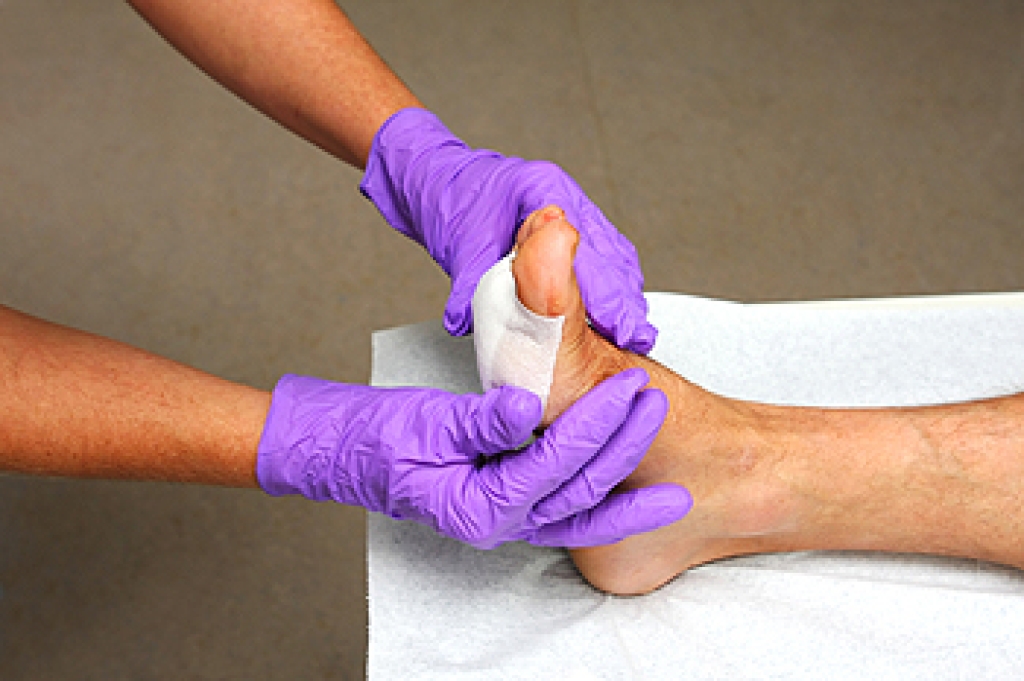
Diabetic foot ulcers pose a severe health threat, often triggered by peripheral neuropathy, which diminishes sensation and allows unnoticed injuries to progress. Compromised blood flow, a hallmark of diabetes, further delays healing and heightens infection risk. These ulcers are evaluated using detailed grading systems, guiding interventions such as surgical debridement to excise diseased tissue, advanced wound dressings to optimize healing, and off-loading techniques to alleviate pain. Infection control is of utmost importance, along with meticulous glycemic regulation to curb inflammation and promote recovery. Surgical intervention, including reconstruction or amputation, may become necessary in extreme cases. Prevention remains key to the management of diabetic foot ulcers. If you are diabetic, it is strongly suggested that you include a podiatrist on your healthcare team who can teach you about vigilant foot care, provide routine monitoring, and care for any foot problems before more severe complications arise.
Wound care is an important part in dealing with diabetes. If you have diabetes and a foot wound or would like more information about wound care for diabetics, consult with Neeta Hasmukh, DPM from Total Podiatry. Our doctor will assess your condition and provide you with quality foot and ankle treatment.
What Is Wound Care?
Wound care is the practice of taking proper care of a wound. This can range from the smallest to the largest of wounds. While everyone can benefit from proper wound care, it is much more important for diabetics. Diabetics often suffer from poor blood circulation which causes wounds to heal much slower than they would in a non-diabetic.
What Is the Importance of Wound Care?
While it may not seem apparent with small ulcers on the foot, for diabetics, any size ulcer can become infected. Diabetics often also suffer from neuropathy, or nerve loss. This means they might not even feel when they have an ulcer on their foot. If the wound becomes severely infected, amputation may be necessary. Therefore, it is of the upmost importance to properly care for any and all foot wounds.
How to Care for Wounds
The best way to care for foot wounds is to prevent them. For diabetics, this means daily inspections of the feet for any signs of abnormalities or ulcers. It is also recommended to see a podiatrist several times a year for a foot inspection. If you do have an ulcer, run the wound under water to clear dirt from the wound; then apply antibiotic ointment to the wound and cover with a bandage. Bandages should be changed daily and keeping pressure off the wound is smart. It is advised to see a podiatrist, who can keep an eye on it.
If you have any questions please contact our offices located in San Antonio, Uvalde, and Jourdanton, TX . We offer the newest diagnostic and treatment technologies for all your foot and ankle needs.
Connect With Us
