
Your feet are covered most of the day. If you're diabetic, periodic screening is important for good health. Numbness is often a sign of diabetic foot and can mask a sore or wound.
Your feet are covered most of the day. If you're diabetic, periodic screening is important for good health. Numbness is often a sign of diabetic foot and can mask a sore or wound.

Foot and ankle trauma can happen in a fall, sports mishap, or auto accident. During a crash, most people tense and brace for impact. The feet and ankles can absorb force from the collision and body weight. Each foot has 26 bones, plus joints, muscles, and soft tissues that support balance and movement. Damage to these structures can make standing or walking painful. Warning signs include pain, swelling, and changes in the foot’s shape. Numbness, weakness, or skin-color changes deserve attention because some injuries can worsen quickly.
Serious trauma can affect several areas of the foot. For instance, the force of an auto accident can injure the toes, middle foot, or heel when loose objects strike or crush the foot. The damage can involve puncture wounds, soft-tissue injuries, or broken and dislocated bones. A Lisfranc injury affects bones or joints in the middle of the foot and can cause lasting pain or poor balance when untreated. A heel bone fracture can happen when a strong impact crushes or breaks the heel. These problems can limit mobility and raise the risk of arthritis, infection, or an abnormal walking pattern.
A podiatrist can examine the injured area and check circulation and nerve function. X-rays and other imaging is ordered to find the type and severity of damage. Treatment options include a cast, a special boot, or supportive shoes. Some fractures, crushed bones, and severe joint injuries require surgery to restore alignment and stability. Early care can help protect movement and reduce the chance of long-term pain. Do not delay an evaluation because swelling or pain seems manageable at first. If you have foot or ankle trauma from a fall or accident, it is suggested that you promptly schedule an appointment with a podiatrist for a diagnosis and appropriate treatment.
Foot and ankle trauma is common among athletes and the elderly. If you have concerns that you may have experienced trauma to the foot and ankle, consult with Neeta Hasmukh, DPM from Total Podiatry. Our doctor will assess your condition and provide you with quality foot and ankle treatment.
Foot and ankle trauma cover a range of injuries all over the foot; common injuries include:
Symptoms
Symptoms of foot and ankle injuries vary depending on the injury, but more common ones include:
Diagnosis
To properly diagnose the exact type of injury, podiatrists will conduct a number of different tests. Some of these include sensation and visual tests, X-rays, and MRIs. Medical and family histories will also be taken into account.
Treatment
Once the injury has been diagnosed, the podiatrist can than offer the best treatment options for you. In less severe cases, rest and keeping pressure off the foot may be all that’s necessary. Orthotics, such as a specially made shoes, or immobilization devices, like splints or casts, may be deemed necessary. Finally, if the injury is severe enough, surgery may be necessary.
If you have any questions, please feel free to contact our offices located in San Antonio and Uvalde, TX . We offer the newest diagnostic and treatment technologies for all your foot care needs.
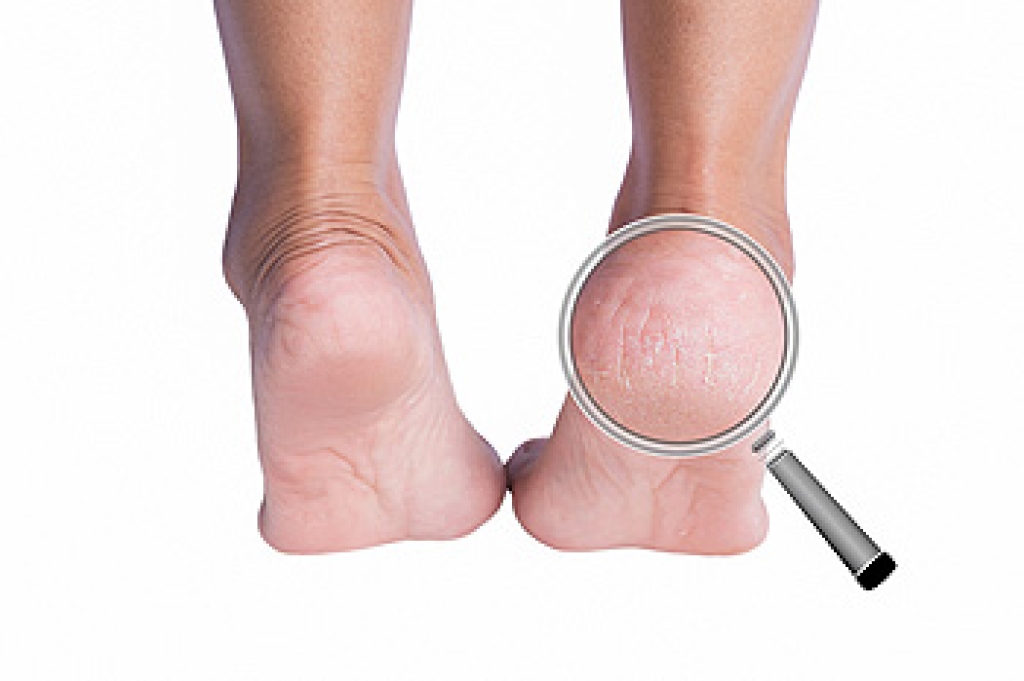
Cracked heels develop when the skin around the heel becomes very dry, thick, and less flexible. As the skin loses moisture, it can split and form painful cracks. These cracks can become deeper when pressure is placed on the heel while walking or standing. Dry weather can contribute to cracked skin, but other factors can also play a role. Open-heeled shoes, shoes that do not fit properly, and certain health conditions can increase the risk. Severe cracks can become sore and allow germs to enter the skin. A podiatrist can examine the heels and determine why the skin is cracking.
A podiatrist can evaluate the condition of the skin and look for signs that the cracks are deeper or becoming irritated. Professional care can include removing thickened skin from the heel and recommending appropriate products to improve the skin’s condition. A podiatrist can also assess how pressure is placed on the heel when walking and determine whether foot structure or footwear is contributing to the problem. If cracked heels are linked to an underlying health condition, the podiatrist can consider that factor when developing a treatment plan. Severe or persistent cracks deserve professional attention because damaged skin can be more vulnerable to infection.
Cracked heels can cause pain, tenderness, and difficulty walking when the splits become deep. A podiatrist can monitor the affected skin and help manage problems that interfere with normal foot function. Professional treatment can also focus on protecting the heel while the skin heals and addressing factors that contribute to repeated cracking. Patients with severe cracks or symptoms that do not improve should have the area evaluated. A podiatrist can determine whether additional treatment is appropriate and check for signs of infection or another condition affecting the skin. If you have symptoms of cracked heels, it is suggested that you make an appointment with a podiatrist for diagnosis and treatment.
If the skin on your feet starts to crack, you may want to see a podiatrist to find treatment. If you have any concerns, contact Neeta Hasmukh, DPM from Total Podiatry. Our doctor can provide the care you need to keep you pain-free and on your feet.
Cracked Heels
It is important to moisturize your cracked heels in order to prevent pain, bleeding, and infection. The reason cracked heels form is because the skin on the foot is too dry to support the immense pressure placed on them. When the foot expands, the dry skin on the foot begins to split.
Ways to Help Heal Them
Ways to Prevent Cracked Heels
If you are unsure how to proceed in treating cracked heels, seek guidance from a podiatrist. Your doctor will help you with any questions or information you may need.
If you have any questions, please feel free to contact our offices located in San Antonio and Uvalde, TX . We offer the newest diagnostic and treatment technologies for all your foot care needs.
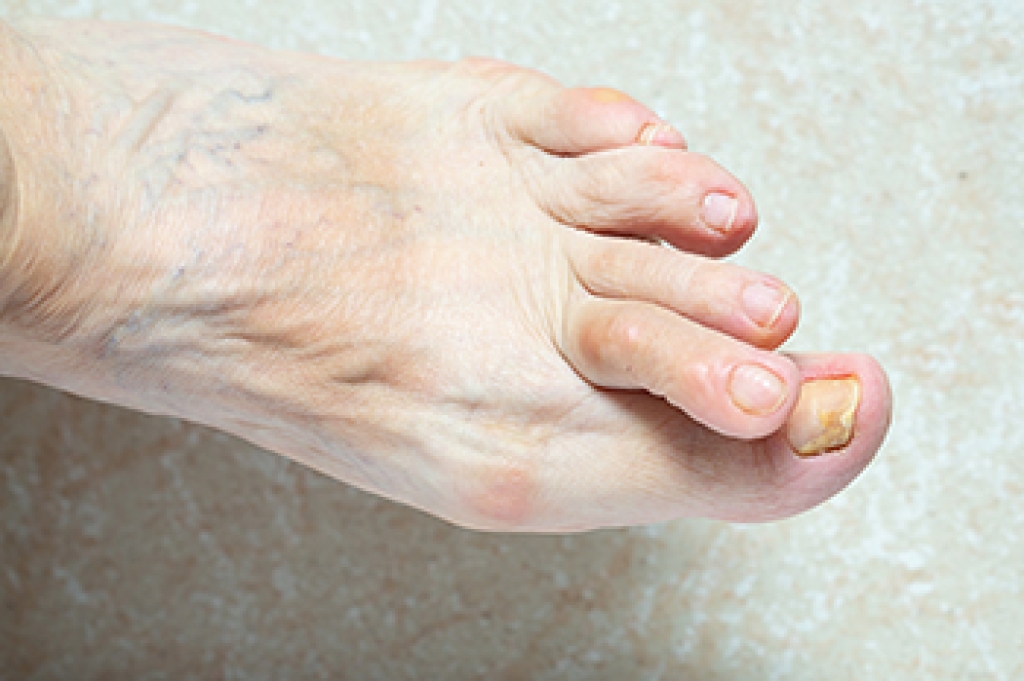
Hammertoe is a toe deformity that causes one of the smaller toes to remain bent instead of lying flat. It usually affects the second, third, or fourth toe. The abnormal bend can create pressure where the toe rubs against a shoe. Corns can form on top of the toe, while calluses can develop near its tip. Pain while walking can become more noticeable as the deformity progresses. Some patients also have other foot changes, including high arches or a bunion.
Several factors can contribute to hammertoe. wearing shoes that are too tight in the toe box can squeeze the toes into a bent position. High-heeled shoes can also increase pressure on the front of the foot. In some patients, the structure of the foot or an imbalance in the muscles and tendons contributes to the deformity. A hammertoe can remain flexible in its early stages, meaning the toe can still be straightened. As the condition progresses, the joint can become stiff and remain fixed in a bent position.
A podiatrist can examine the affected toe and determine whether the deformity is flexible or rigid. X-rays can show which joints are involved and whether other changes are present. Treatment for a flexible hammertoe can include padding, splints, or prescription orthotics. A podiatrist can also recommend properly-fitting shoes with enough room in the toe box to reduce pressure. When the toe becomes rigid and painful, surgery can be considered to straighten it and improve function. Treatment depends on the severity of the bend, the amount of stiffness, and other foot problems. Early evaluation can help address painful pressure points before they become more difficult to manage. If you have developed a hammertoe, it is suggested that you schedule an appointment with a podiatrist for a diagnosis and appropriate treatment.
Hammertoe
Hammertoes can be a painful condition to live with. For more information, contact Neeta Hasmukh, DPM from Total Podiatry. Our doctor will answer any of your foot- and ankle-related questions.
Hammertoe is a foot deformity that affects the joints of the second, third, fourth, or fifth toes of your feet. It is a painful foot condition in which these toes curl and arch up, which can often lead to pain when wearing footwear.
Symptoms
Causes
Genetics – People who are genetically predisposed to hammertoe are often more susceptible
Arthritis – Because arthritis affects the joints in your toes, further deformities stemming from arthritis can occur
Trauma – Direct trauma to the toes could potentially lead to hammertoe
Ill-fitting shoes – Undue pressure on the front of the toes from ill-fitting shoes can potentially lead to the development of hammertoe
Treatment
Orthotics – Custom made inserts can be used to help relieve pressure placed on the toes and therefore relieve some of the pain associated with it
Medications – Oral medications such as anti-inflammatories or NSAIDs could be used to treat the pain and inflammation hammertoes causes. Injections of corticosteroids are also sometimes used
Surgery – In more severe cases where the hammertoes have become more rigid, foot surgery is a potential option
If you have any questions, please feel free to contact our offices located in San Antonio and Uvalde, TX . We offer the newest diagnostic and treatment technologies for all your foot care needs.
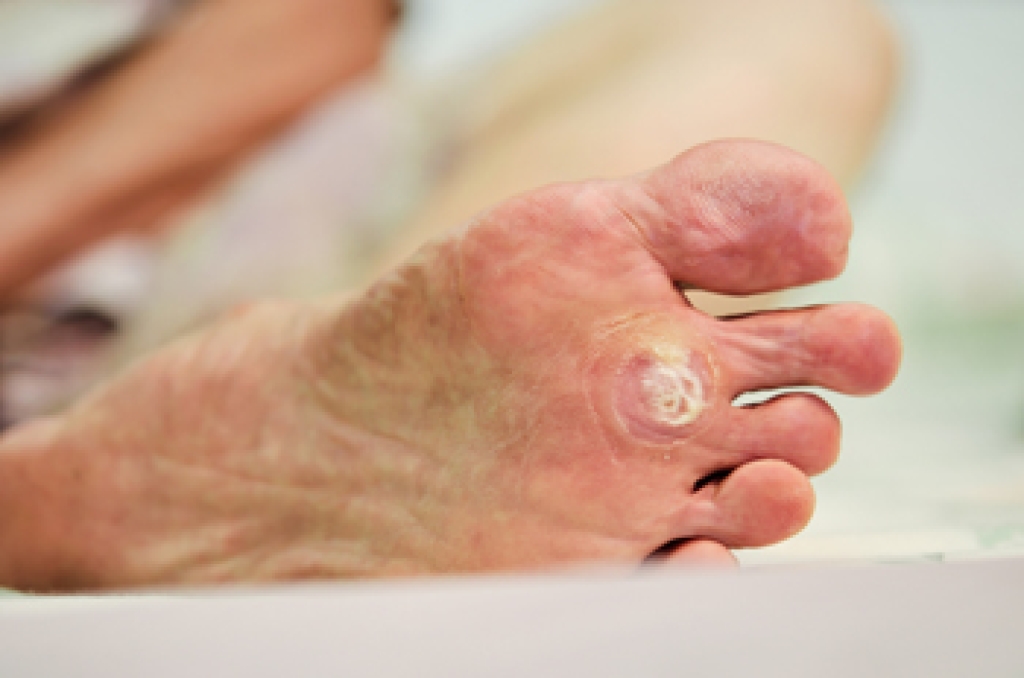
Plantar warts are skin growths that develop on the soles of the feet. They are caused by certain types of human papillomavirus, or HPV. The virus enters through tiny cuts or weakened areas in the skin. Plantar warts, also known as verrucas, can appear alone or in a cluster, called a mosaic wart. Because pressure from standing pushes the growth inward, it usually looks flat rather than raised. Signs include a rough patch, tiny black dots, and thickened skin. The black dots are small blood vessels, not dirt. A wart on a weight-bearing area can cause sharp pain or tenderness when walking.
Plantar warts spread through direct contact with HPV or surfaces carrying the virus. Damp floors in locker rooms, public showers, and pool areas create settings where exposure can occur. Infection is more likely when the skin is wet, cracked, or scraped. The virus can also move to another part of the foot when a wart is scratched or picked. Not every rough spot is a wart. Corns, calluses, and other skin growths can look similar. A podiatrist can examine the area, trim away a small amount of thick skin, and check for signs that confirm the diagnosis. This evaluation is especially important if the growth bleeds, changes appearance, or causes persistent pain.
Treatment depends on the wart’s size, depth, and location. The podiatrist also considers how it affects daily activity. Office care includes carefully applied chemical treatments or cryotherapy, which freezes affected tissue. Stubborn warts can require repeated visits because the virus can remain in nearby skin. A podiatrist can reduce thick skin, ease pressure, and protect painful areas with padding or off-loading devices. Treatment requires extra care for patients with diabetes, poor circulation, or reduced feeling in the feet. Follow-up visits help track healing and address returning growths. If you have developed a planter wart, it is suggested that you schedule an appointment with a podiatrist for a diagnosis and appropriate treatment.
Plantar warts can be very uncomfortable. If you need your feet checked, contact Neeta Hasmukh, DPM from Total Podiatry. Our doctor will assist you with all of your foot and ankle needs.
About Plantar Warts
Plantar warts are the result of HPV, or human papillomavirus, getting into open wounds on the feet. They are mostly found on the heels or balls of the feet.
While plantar warts are generally harmless, those experiencing excessive pain or those suffering from diabetes or a compromised immune system require immediate medical care. Plantar warts are easily diagnosed, usually through scraping off a bit of rough skin or by getting a biopsy.
Symptoms
Treatment
To help prevent developing plantar warts, avoid walking barefoot over abrasive surfaces that can cause cuts or wounds for HPV to get into. Avoiding direct contact with other warts, as well as not picking or rubbing existing warts, can help prevent the further spread of plantar warts. However, if you think you have developed plantar warts, speak to your podiatrist. He or she can diagnose the warts on your feet and recommend the appropriate treatment options.
If you have any questions, please feel free to contact our offices located in San Antonio and Uvalde, TX . We offer the newest diagnostic and treatment technologies for all your foot care needs.
Connect With Us
